English learning in Japan: early years to high school
Jolly Study Square | Education guide ·
English learning reaches beyond examinations. Connect understanding, interaction, reading and writing, choosing materials and teaching that fit the learner.
Start with the learner, not only the year group.
The national curriculum provides a framework; the material suggestions below help you navigate the JSS catalogue and are not official MEXT endorsements.
Age / school stageLearning at schoolLearning with Jolly (resources)
Age / school stage01Early years
Learning at school
Language through play
Follow a child’s interests through songs, stories and play. Make room for enjoyable listening, imitation and interaction.
Combine language skills to understand information and express ideas. If using a qualification for admission, check the route, skill scores and validity period.
The four skills are organized into five domains by distinguishing spoken interaction from spoken presentation. Phonics supports the link between sound and print; vocabulary, comprehension, conversation and writing need attention too.
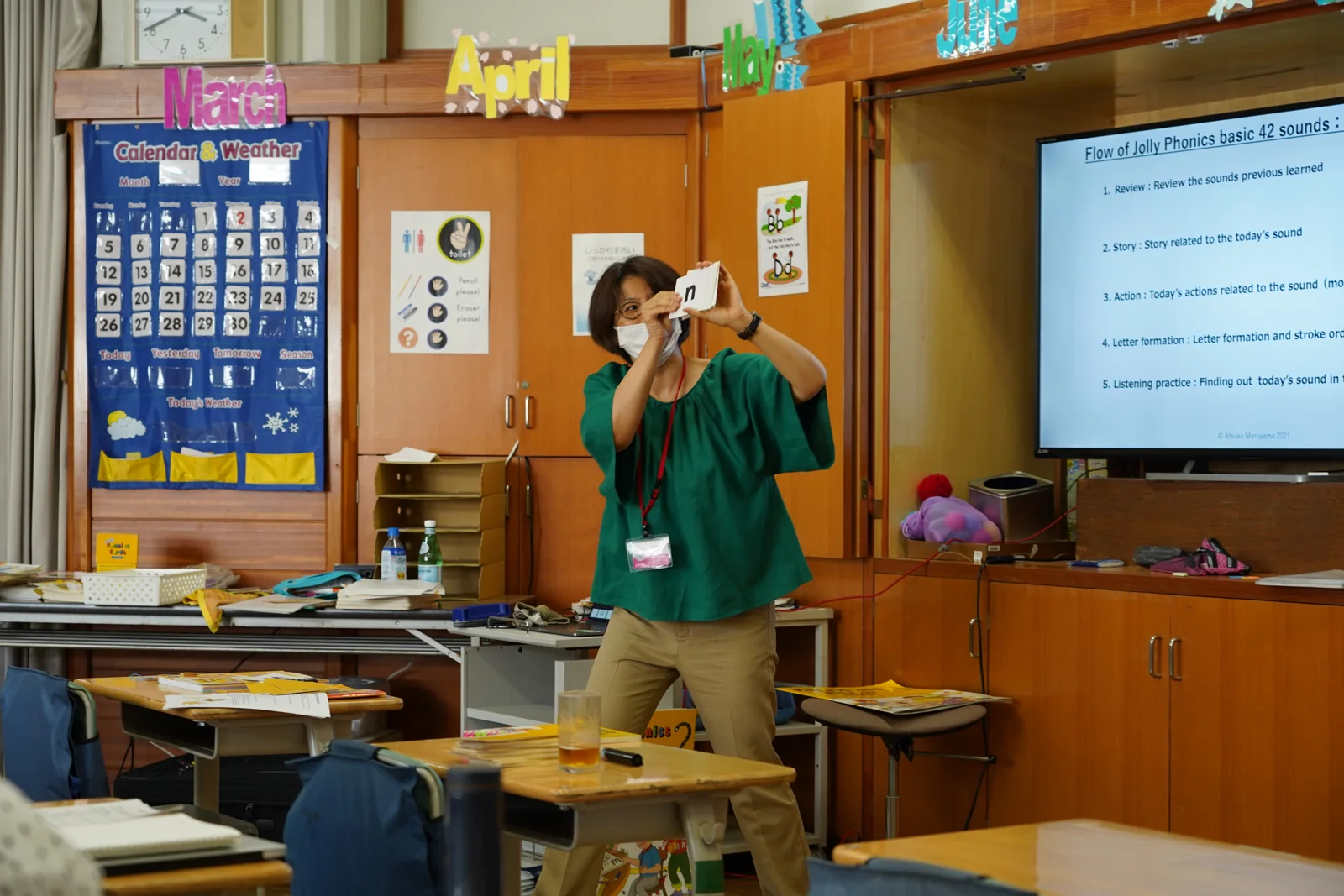
Our affiliated I’s English School shares classroom activities, materials and work related to EIKEN. JSS draws on classroom experience in training for teachers and parents.
Individual success stories describe those learners’ experiences; they do not establish a pass rate for JSS training or a particular material.
Grade descriptions indicate difficulty, not compulsory achievement by school year. Consider experience, skill balance and the learner’s goals, then check any relevant admissions requirements.
Can a junior-high learner revisit phonics foundations?
Select support by the reading or spelling barrier, not age alone. Revisit needed foundations while keeping topics age-appropriate and listening to the learner.
Can I buy materials without training?
Yes. Browse the bookstore and follow a product to its purchase page. You do not need to book training.
A CLOSER LOOK
A little curiosity. A new discovery.
Explore the books, then open a teaching idea to picture how you could use them.
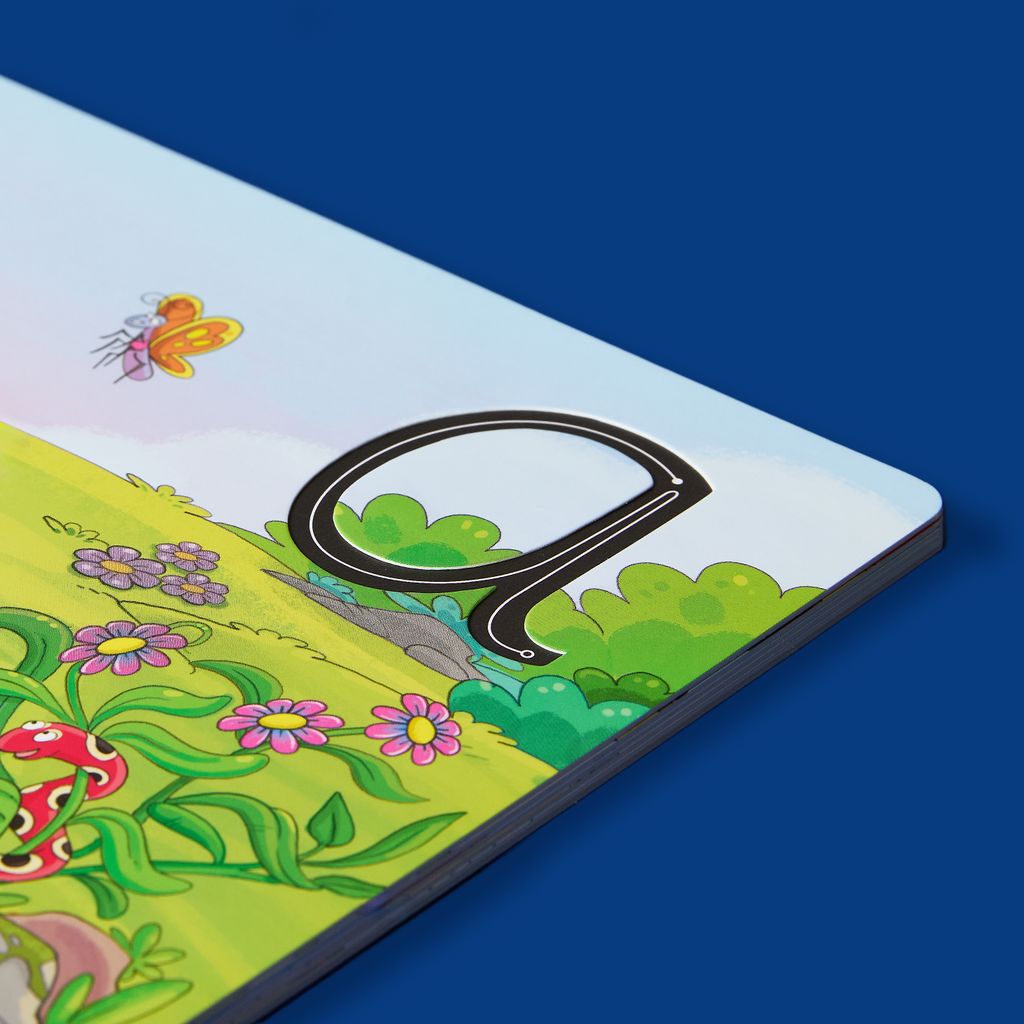
TRACE & SAY
A letter you can explore.
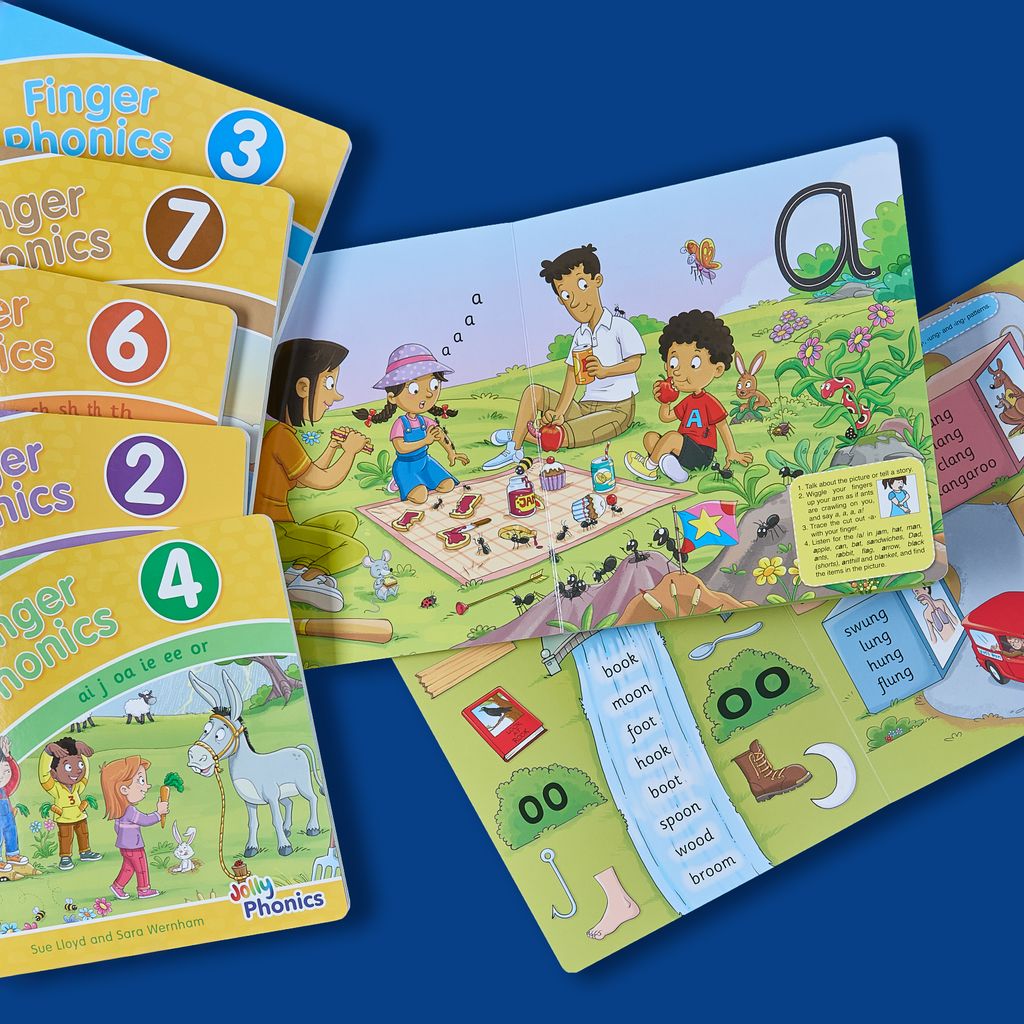
Look closely at the letters and illustrations in Finger Phonics. Connect what you see with the sound you say.
Open a teaching idea
Trace the letter, practise its sound together, then explore words in the picture that use that sound.
Photography: official Jolly Learning materials. Teaching ideas are illustrative suggestions from JSS. Check editions, levels and availability on the product pages.
EXPLORE THE MATERIALS
Picture your next lesson.
A few examples from the range. Check editions, levels and included materials on each product page.
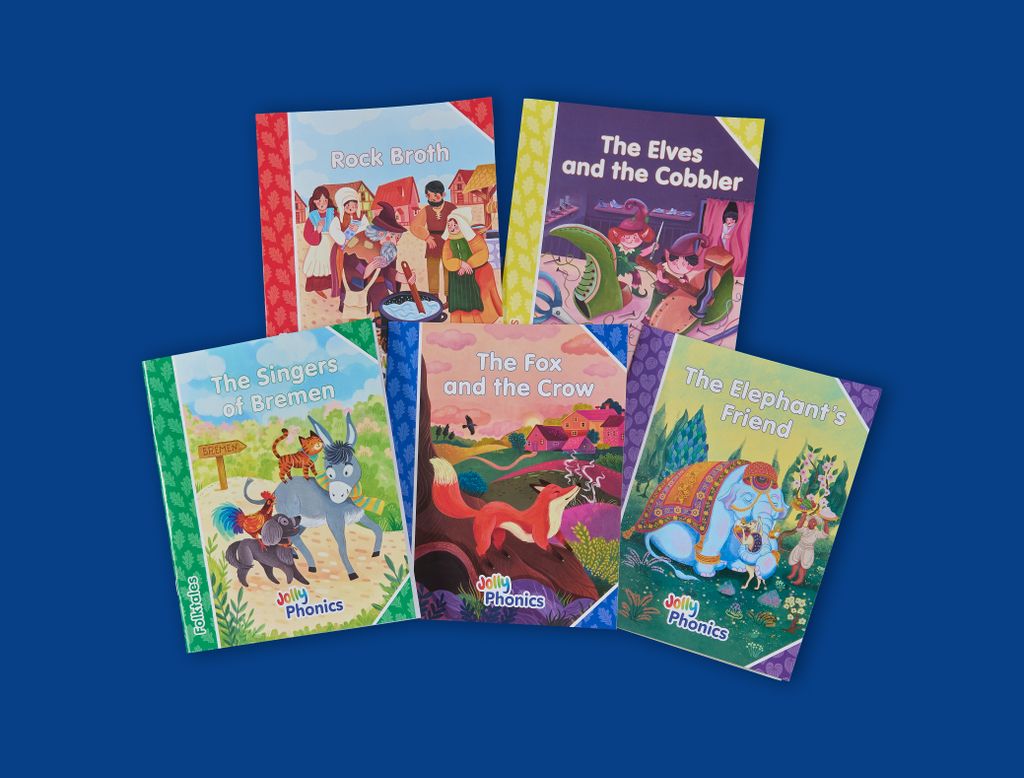
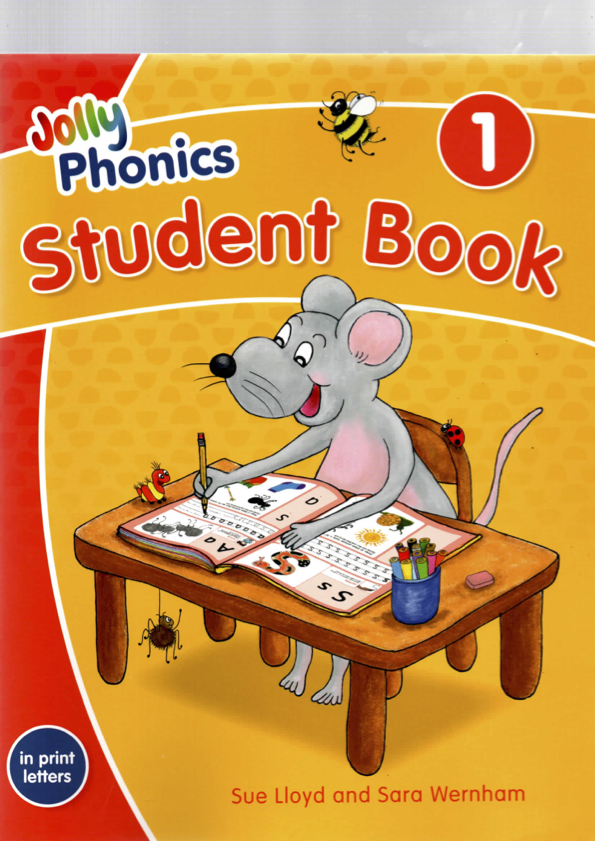 Jolly Phonics
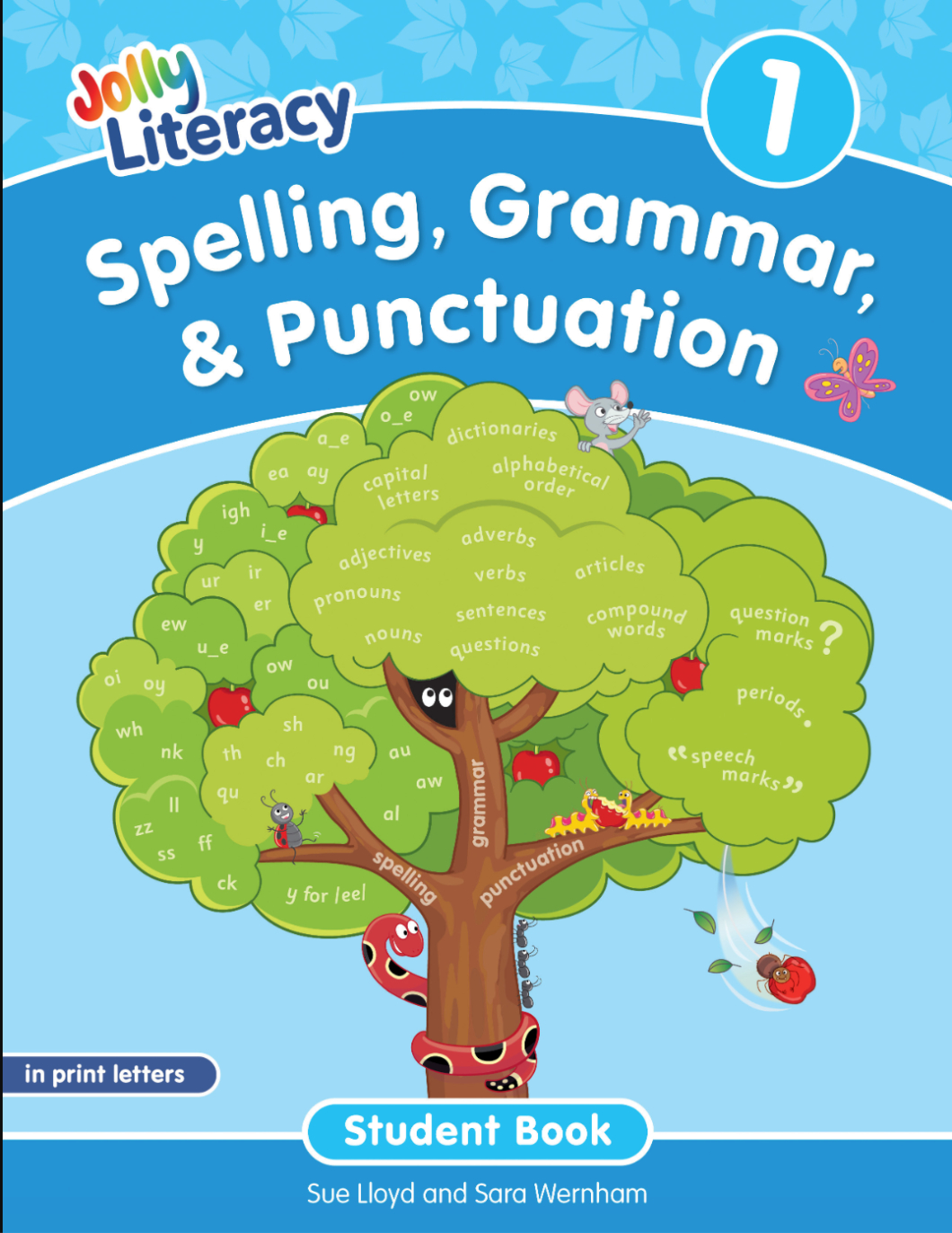 Jolly Literacy
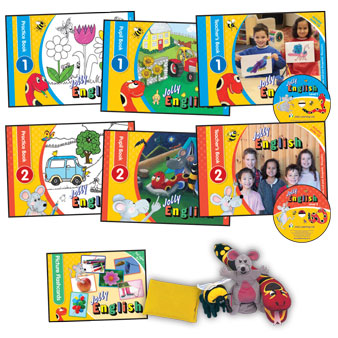 Jolly English
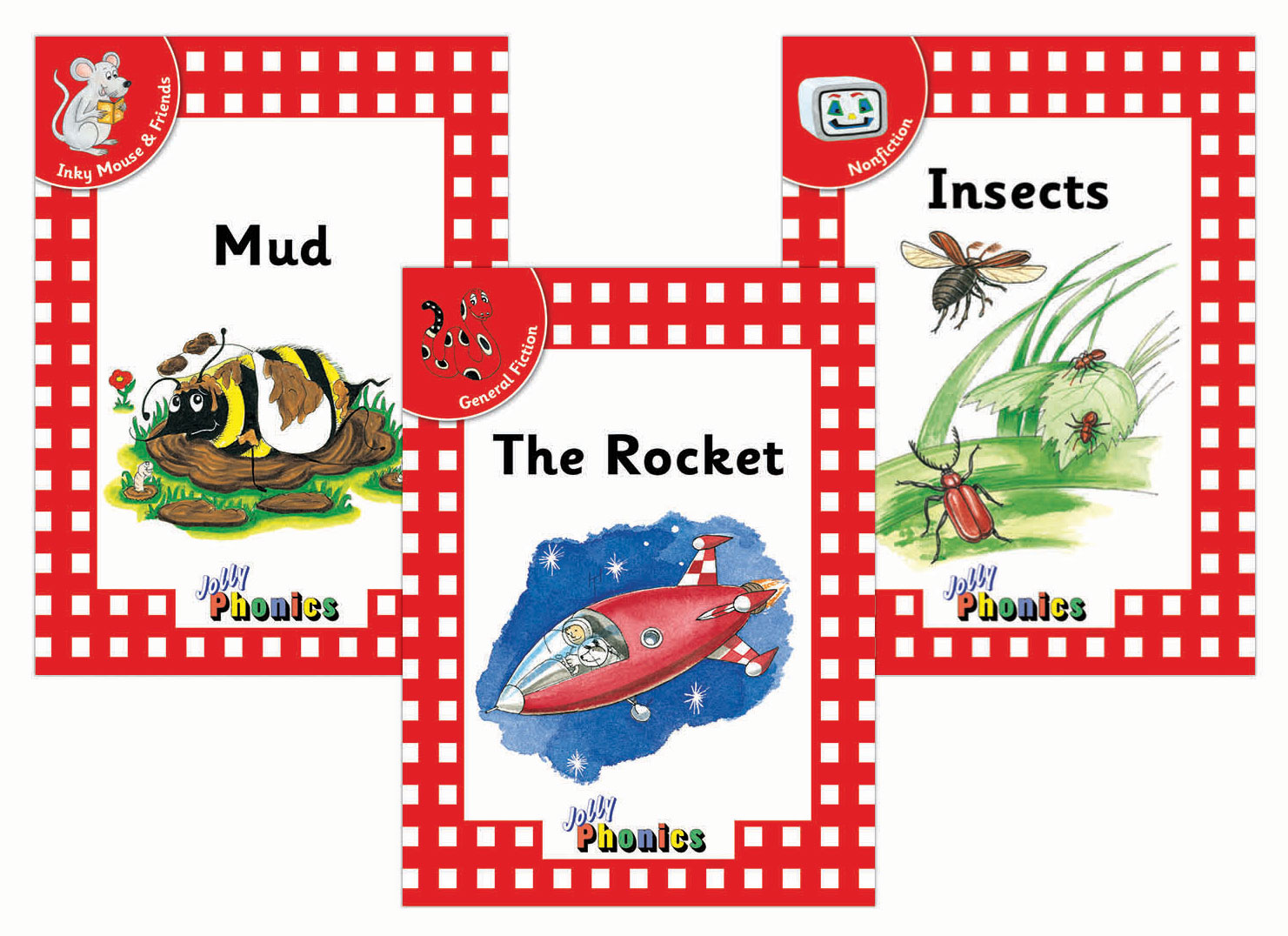 Decodable Readers