Retained reference text from the existing site. Dates, prices and historical statements do not establish current availability or terms. Source page ↗
About Jolly Phonics
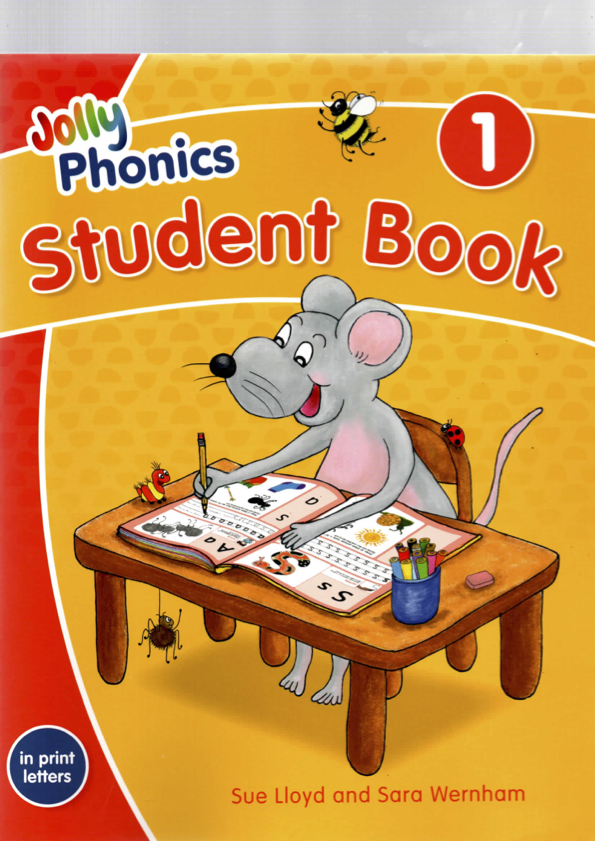
Jolly Phonics uses the synthetic phonics method, which means that the letter sounds are taught first, on their own, and children are then taught to blend sounds together to say (‘synthesize’) the word.
There are essentially two stages to literacy learning.
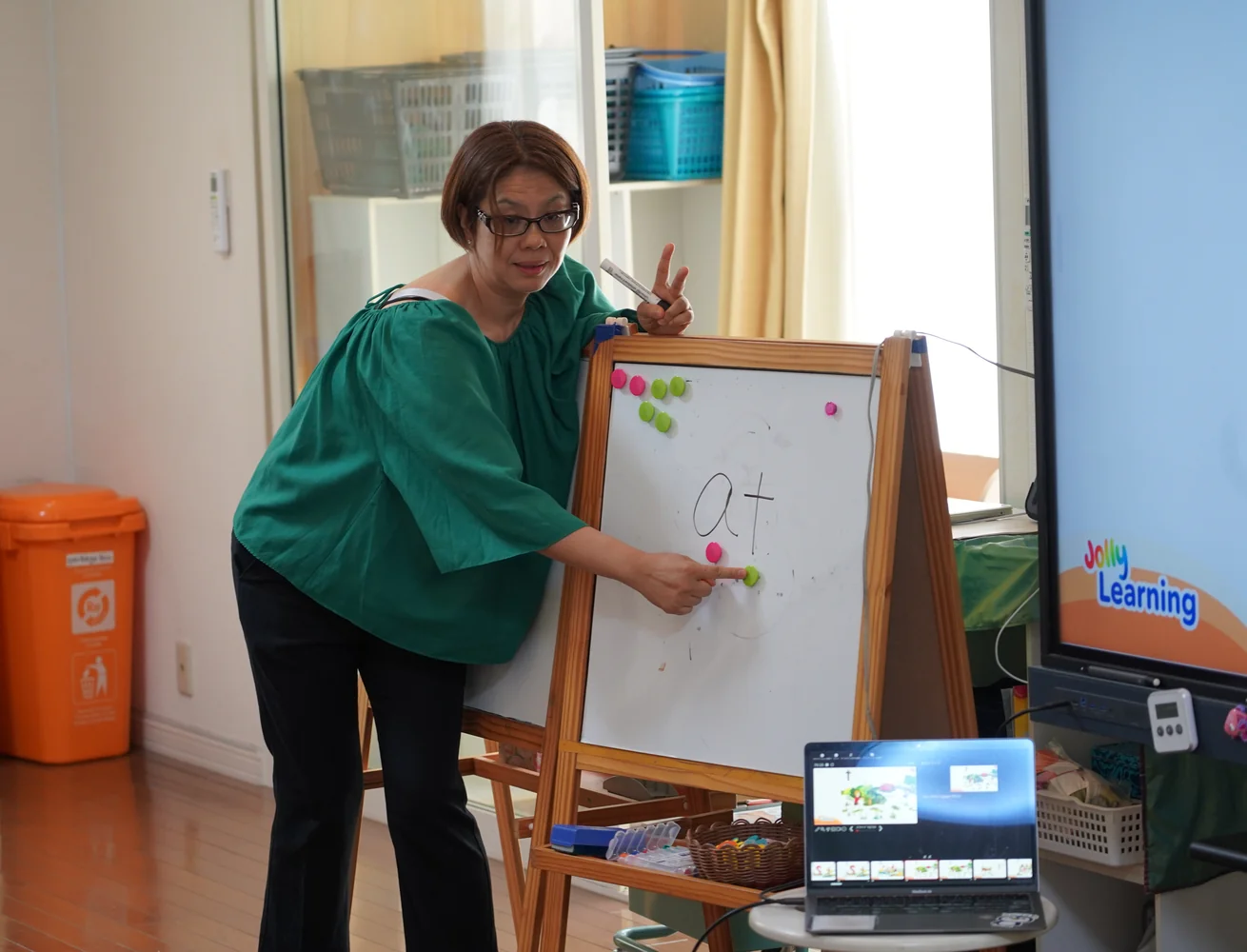
In the first stage, phonics stage, the letter sounds are taught in a fun, multisensory way. Children learn how to use the letter sounds to read and write words.
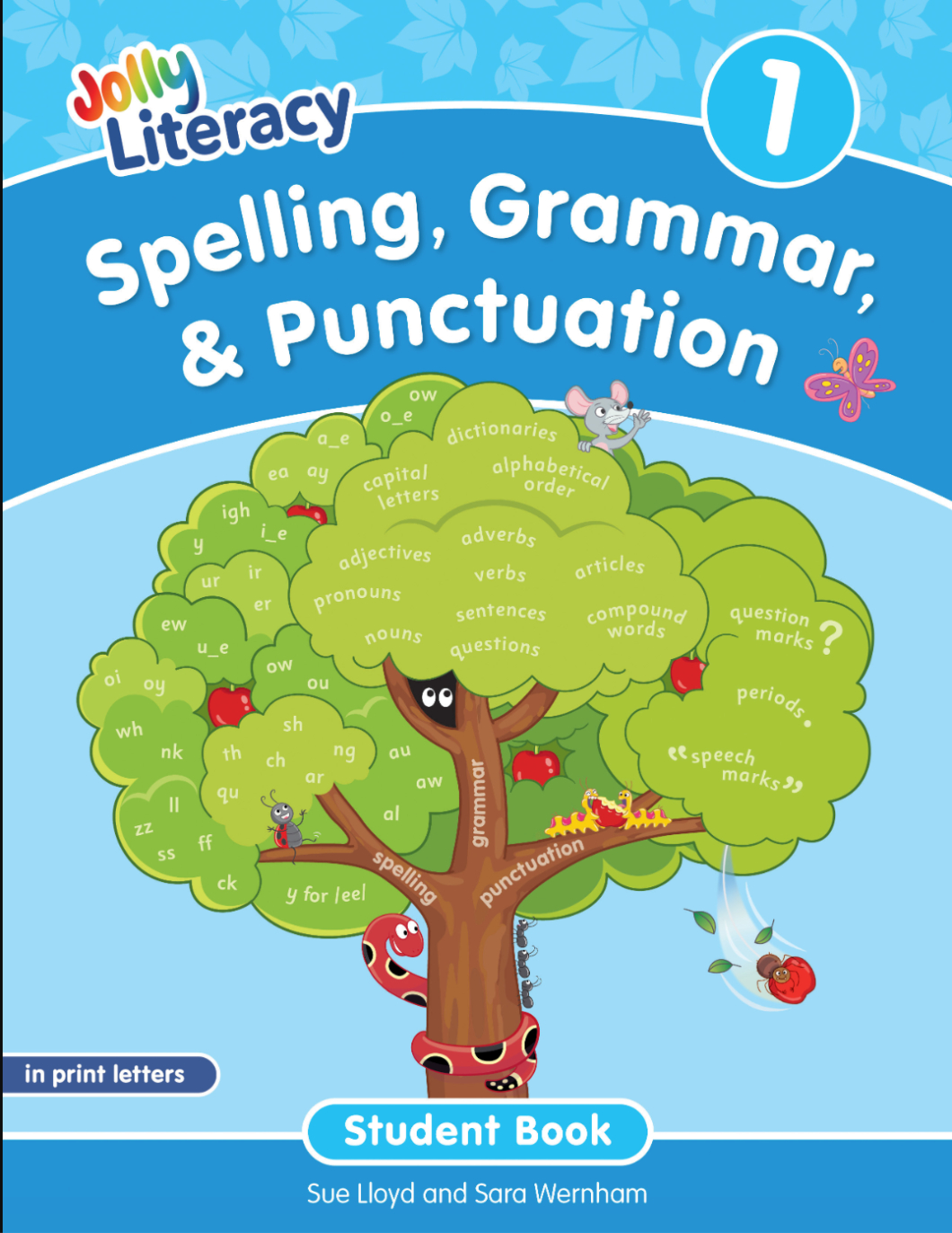
In the second, grammar stage, the structure of the language is taught. This includes parts of speech, spelling, punctuation and more. Children learn how to express themselves accurately and well.
Phonics Stage
The systematic approach of Jolly Phonics ensures that students learn these 5 skills necessary to learn to read and write. These skills are taught at the same time as students move through the curriculum.
1. Learning the letter sounds
2. Learning letter formation
3. Blending
4. Identifying sounds in words
5. Spelling the tricky words
In Jolly Phonics the 42 main sounds of English are taught, not just the alphabet. The sounds are in seven groups, as shown below. Each sound has an action which helps children remember the letter(s) that represent it. Some sounds are written with two letters, such as ee and or. These are called digraphs. oo and th can each make two different sounds, as in book and moon, that and three. To distinguish between these two sounds, the digraph is represented in two forms.
Group 1: s a t i p n
Group 2: ck e h r m d
Group 3: g o u l f b
Group 4: ai j oa ie ee or
Group 5: z w ng v oo oo
Group 6: y x ch sh th th
Group 7: qu ou oi ue er ar
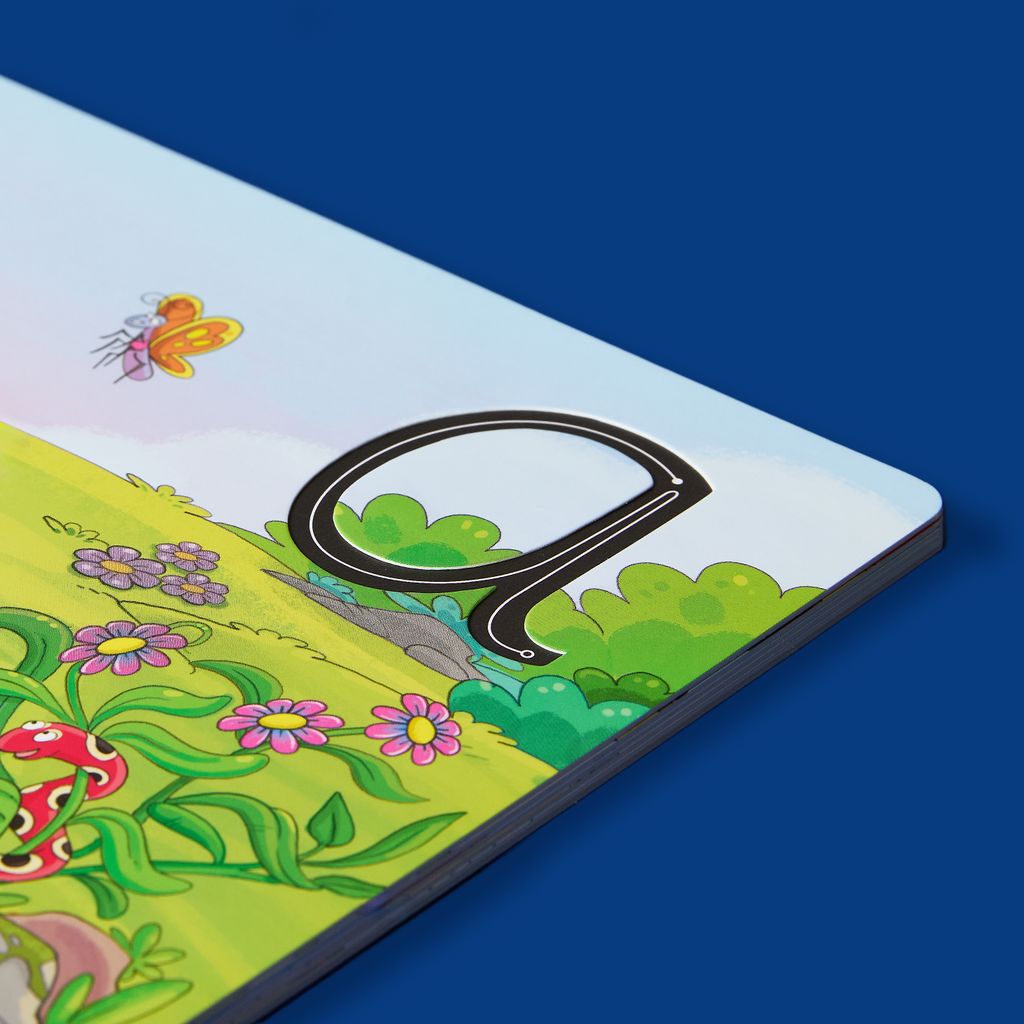
A child will also learn to hold a pencil correctly and how to form each letter correctly. Next, blending is taught. Blending is the process of saying the individual sounds in a word and then running them together to make the word. For example, sounding out d-o-g and making dog. It is a technique every child will need to learn, and it improves with practice.
The easiest way to know how to spell a word is to listen for the sounds in that word. This is also called segmenting and is the reverse of blending. Begin with simple three-letter words such as cat or hot. A good idea is to say a word and tap out the sounds. Three taps means three sounds. Say each sound as you tap. Take care with digraphs. The word fish, for example, has four letters but only three sounds, f-i-sh.
Additionally, some words in English have an irregular spelling and cannot be read by blending, such as said, was and one. Unfortunately, many of these are common words. The irregular parts have to be remembered. These are called the ‘tricky words’. Jolly Phonics includes learning the irregular or ‘tricky words’ such as said, was and the.
Grammar Stage
The Phonics stage of Jolly Phonics covers the first year of teaching at school. Jolly Phonics continues with grammar, including punctuation and spelling, lessons for the next 6 years at school, with each year termed Grammar 1 through to Grammar 6. The teaching is active and multisensory, with colors (matching those used by Montessori schools) and actions for parts of speech and continues to review and extend children’s phonic knowledge.
The Grammar Stage is split into two parts that are taught in alternating lessons: (1) grammar and punctuation and (2) spelling.
Grammar & Punctuation: The term ‘grammar’ is used broadly, and includes parts of speech and anything to do with the structure of the language such as punctuation and issues with word meaning such as comparatives and superlatives, and homophones (which sound alike, but have different spellings and meanings). Students review capital letters, learn how to alphabetize and use a dictionary, and practice proofreading.
Spelling: A wide range of spelling concepts and patterns will be taught thoroughly, enabling children to consolidate and extend their knowledge. This provides children with a framework of rules that they can apply in their spelling. In the weekly spelling lesson children will be given a list of words to learn to spell as well as plenty of dictation.
The most dramatic improvements to result from the Grammar stage will be found in the children’s writing. The children will spell and punctuate more accurately, use a wider vocabulary and have a clearer understanding of how language works. This enables children to express themselves better and more accurately, in speech as well as in writing.
For more information about Jolly Phonics & Jolly Literacy, see the Jolly Learning website at www.jollylearning.co.uk or come to our workshops and learn about the program and how to apply this great curriculum in your classroom or home in fun and exciting ways.
Jolly Phonics has been developed by Sue Lloyd and Sara Wernham, who were primary/elementary school teachers at Woods Loke Primary School in Lowestoft, England. Jolly Learning Ltd is an independent British publisher, founded in 1987.
 TRACE & SAY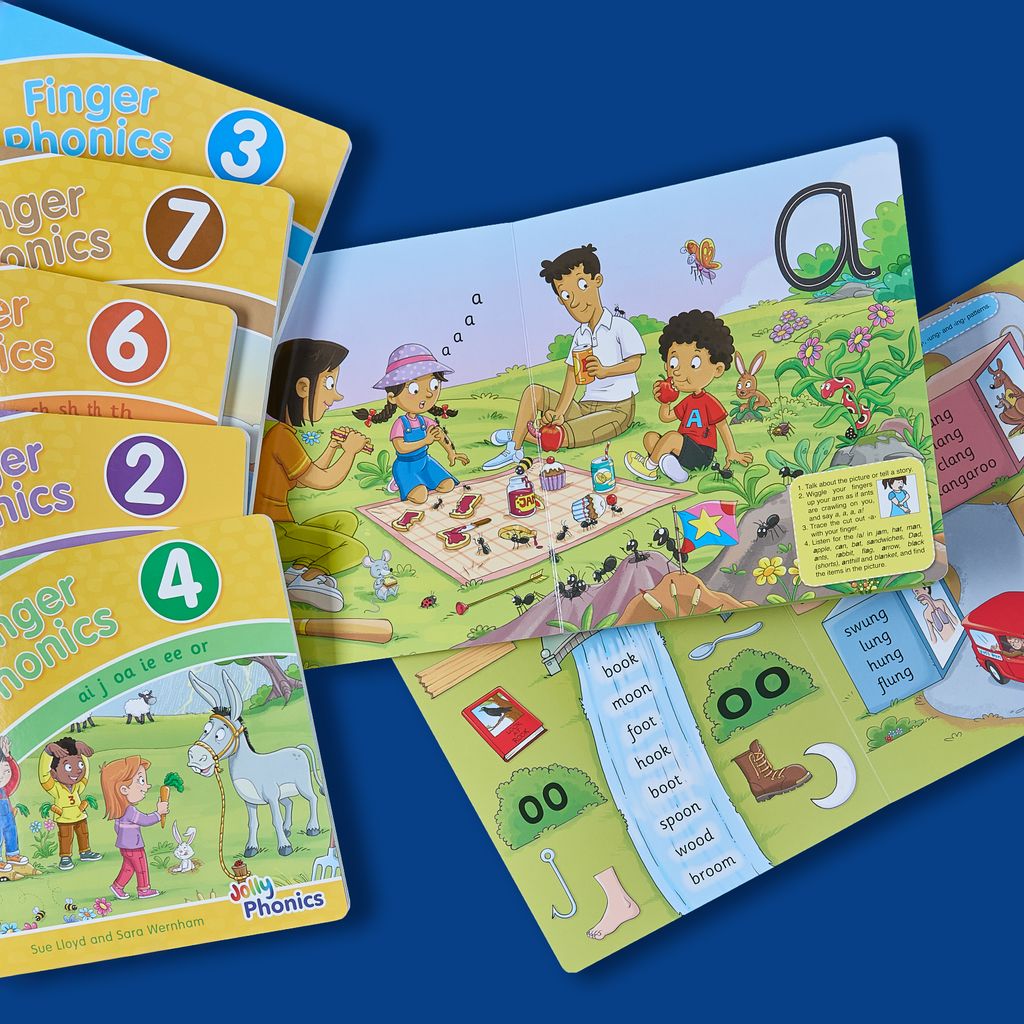
 Jolly Phonics
 Jolly Literacy
 Jolly English
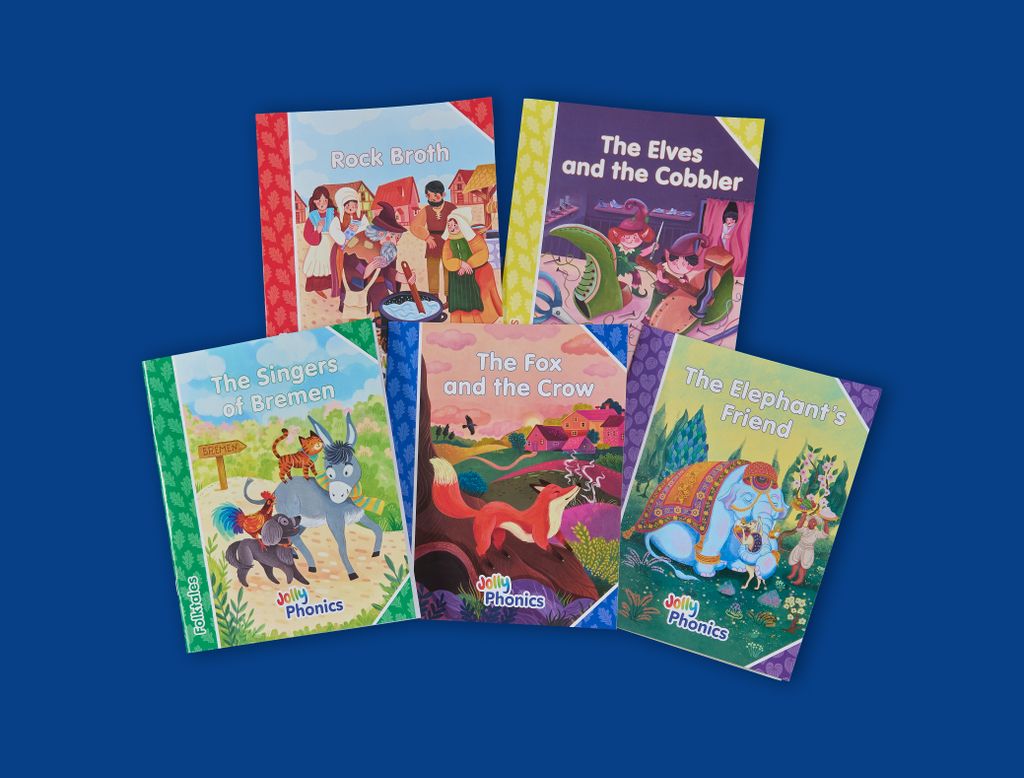
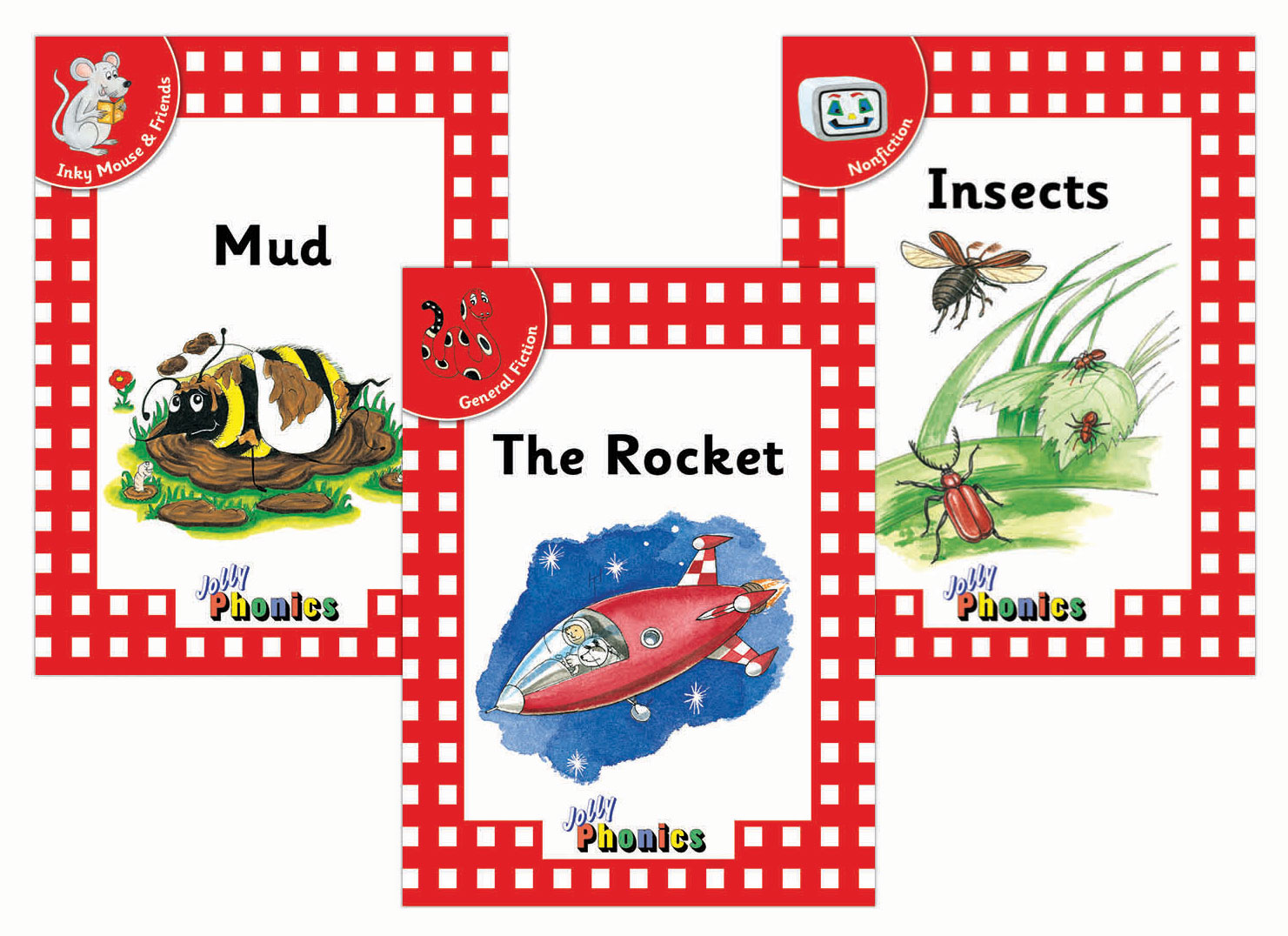 Decodable Readers